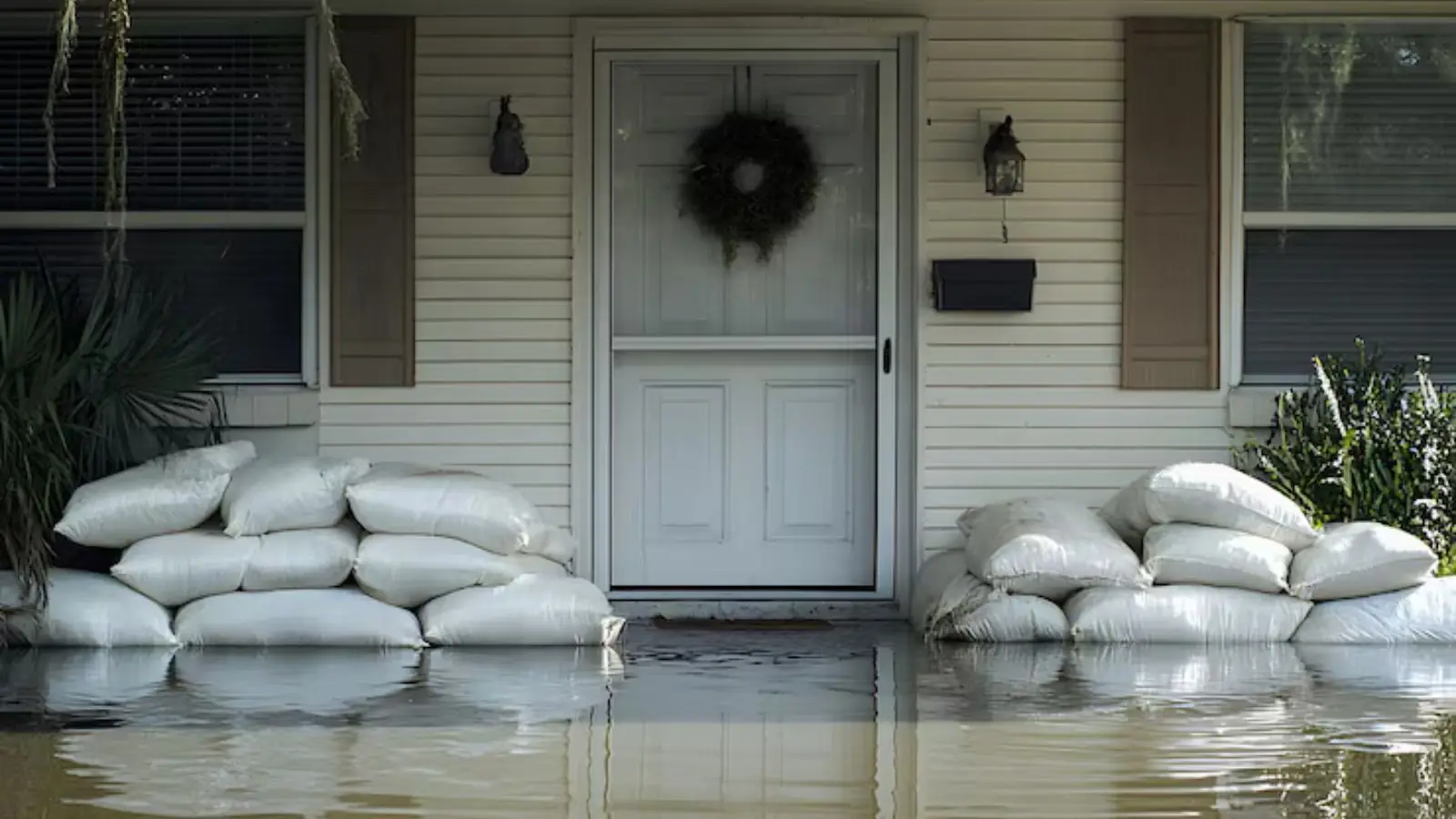
Water is moving through the house right now, so water mitigation in Coachella starts with a call to our 24/7 emergency line and ends only when the structure reads dry. While you wait, shut off the main water valve if you can reach it, lift valuables off wet floors, and keep children and pets out of the room. Turn off power to wet areas only if the panel is dry and safe to touch.
Mitigation means stopping the spread of water in the first hours, before swollen drywall, warped trim and mold growth lock in a bigger repair. This page covers the first 24 to 72 hours: extraction, moisture mapping and drying setup. If the water is gone and you are sorting wet debris, see water damage cleanup. If everything is dry and needs rebuilding, that is water damage repair.
Soaked carpet, a damp wall, a growing ceiling stain: is that water mitigation?
Yes. When people describe a carpet that squishes, a baseboard that is darkening, a stain that keeps spreading or a room that smells musty a day after a leak, the trade name for the fix is water mitigation. It means finding where the water went, removing what cannot be dried, and drying the rest on purpose with equipment instead of hoping open windows will do it.
When water is spreading, the first hours decide how much gets wet
Water does not stay where it lands. On a slab foundation, which is typical of desert construction, a supply line failure rarely drains away. It runs under flooring, wicks up the bottom of walls and soaks insulation and cabinet toe-kicks, so a puddle in one corner can mean damp material in three rooms.
The ANSI/IICRC S500 standard describes three water categories, and clean water can slip into a dirtier category as it sits and touches soil, dust and building materials. Starting mitigation the same day keeps more of your flooring and drywall in the savable column.
Safety first: electricity, sewage and gas
If water is near an electrical panel, outlets or a ceiling light fixture, stay out of that area. Cut power at the panel only if you can reach it while standing on a dry surface, and never touch a switch with wet hands.
Call 911 or the utility for any electrical or gas concern before you call us. If the water looks gray or dark, smells like sewage or came up from a drain, keep people and pets out and tell us when you call, because that changes the plan.
What water mitigation includes, step by step
Stop the source
Shut-off, leak location and a quick safety check of electrical and ceiling conditions.
Extract standing water
Pumps and extraction units pull water from floors, carpet and low spots.
Map the moisture
Moisture meters and a thermal imaging camera show where water traveled.
Dry and monitor
Air movers and dehumidifiers run while readings are logged until they reach a dry standard.
Every step is written into a scope before work starts, so you know what is being removed, what is being dried and what the readings must reach.
Structural drying: how a wet wall actually gets dry
A wall that feels dry on the surface can still hold water in the cavity behind the paint. Structural drying is the part of mitigation that deals with that hidden moisture in studs, bottom plates, insulation and subfloor.
Technicians take baseline readings on a dry wall, then compare every wet area against it. Small holes or removed baseboards let air reach the cavity, air movers push dry air across surfaces, and low-grain refrigerant or desiccant dehumidifiers pull the moisture out of the room so it does not simply move to another wall.
Readings are taken again each visit and the equipment is moved or removed as areas reach target. Drying often takes several days, and thick materials such as hardwood, plywood subfloor and dense insulation can take longer. Insulation that stays soaked is usually removed, because it holds water against the framing.
The equipment, in plain words
| Tool | What it does | Where it is used |
|---|---|---|
| Moisture meter | Reads moisture in drywall, wood and flooring so wet spots are measured, not guessed. | Every affected room, repeated each visit |
| Thermal imaging camera | Shows temperature patterns that point to damp areas behind surfaces. | Walls, ceilings and floors after a leak |
| Air mover | Pushes moving air across wet surfaces to speed evaporation. | Floors, wall bases, carpet and cabinets |
| LGR dehumidifier | Pulls water vapor out of the air so drying does not stall. | Closed rooms and whole affected areas |
| Extraction unit and pump | Removes standing and absorbed water from floors and carpet. | The first hours of the job |
| HEPA air scrubber | Filters airborne dust and particles when materials are opened or removed. | Rooms where drywall or insulation is cut out |
What makes water mitigation in Coachella different
Coachella gets only about five inches of rain in an average year, so outdoor air is dry, but closed, air-conditioned homes do not dry themselves quickly. A wet wall behind a shut door can stay damp for days, which is why drying here is run with equipment on a schedule instead of left to the desert air.
Storms still find the weak spots. Remnants of Tropical Storm Rachel crossed the valley in October 2026, and a local roofer told KESQ that flat roofs with ponded water, slipped tile and gutters clogged with palm and tamarisk debris were behind many calls. Ceiling water from a roof leak usually runs down wall cavities, so check inside walls and closets below the stain, not only the stain itself.
About 62 percent of occupied homes in Coachella are owner-occupied, so a large share of households rent. Renters should report a leak to the landlord in writing, take dated photos, and call us for the drying side while the landlord handles the building.
What affects the scope and price of mitigation
| Factor | Why it changes the job |
|---|---|
| Water category | Clean, gray and black water call for different removal and cleaning steps. |
| Affected area | More wet square footage means more extraction time and more drying equipment. |
| Materials involved | Carpet, hardwood, drywall and insulation each dry differently or must be removed. |
| Drying days and equipment | Thick materials and hidden cavities need more days and more machines. |
| Rebuild scope after drying | Removed drywall, flooring or cabinets are replaced in a separate repair phase. |
Homeowners policies are often written to cover sudden and accidental water damage, while a slow leak left alone or neglected maintenance is often excluded. The California Department of Insurance notes that homeowners policies typically exclude flood, so storm and groundwater flooding need separate flood coverage. Check your policy or ask your insurer before assuming either way. Moisture readings, photos and drying logs give your adjuster a record of what was wet.
Want your real number for your house? Tell us what is wet and we will explain the scope and price before any work starts.
☎ Call (760) 769-1159Mitigation, cleanup, repair or flood restoration?
| Your situation | Best fit |
|---|---|
| Water is still on the floor or coming from a ceiling | Start with emergency water removal, then mitigation |
| Water is gone but walls and floors are damp or smell musty | Water mitigation, covered on this page |
| Debris, contaminated materials or odor need to go | Water damage cleanup |
| Everything is dry and drywall, flooring or paint need rebuilding | Water damage repair |
| Rain, runoff or groundwater entered the building | Flood damage restoration |
Nights, weekends and Fridays
Leaks do not follow office hours. The City of Coachella building and utilities offices keep Monday to Thursday hours and close on Fridays, so a Friday evening pipe failure falls to your own shut-off and to our line. We take emergency calls around the clock and offer same-day response when available, without promising a specific arrival time.
Our crews also work in nearby Indio and the surrounding Coachella Valley, and we serve ZIP 92236 in Coachella.
Water Mitigation Questions
Do you handle water mitigation emergencies at night or on weekends in Coachella?
Yes. The dispatch line is answered 24 hours a day, every day, and we offer same-day response when available. We do not promise a specific arrival time, but we do tell you what to do while you wait, such as shutting off the main valve, lifting valuables and keeping the area clear.
Why does my wall still feel cool and damp days after the leak stopped?
A cool, damp wall usually means water is still inside the cavity or the insulation. Surface paint can look fine while studs and the bottom plate stay wet. A moisture meter and thermal camera can show how far it goes, and drying the cavity is what stops the damage from spreading.
How long does drying take?
It depends on the materials, how much water got in and how large the affected area is. Many jobs need several days of equipment running, and dense materials or hidden cavities take longer. Readings are logged each visit so you can see when the structure reaches the dry standard.
Can I rent air movers and dehumidifiers from you?
No. We do not rent equipment. Drying works best when the machines are placed and monitored by the same crew that took the readings, so we set up, check and remove the equipment as part of the job.
Is mitigation the same as repair?
No. Mitigation stops the spread and dries the structure. Repair rebuilds whatever had to be removed, such as drywall, flooring and paint. They are written as separate phases so the scope stays clear.
Will my insurance cover water mitigation?
That depends on your policy and the cause. Sudden and accidental water damage is often covered, while gradual leaks and neglect often are not, and flood damage usually needs separate flood coverage. Ask your insurer, and keep photos and moisture readings, which we provide with the job record.
Not sure it is an emergency? Water that is still moving or soaking carpet is.
☎ Call (760) 769-1159