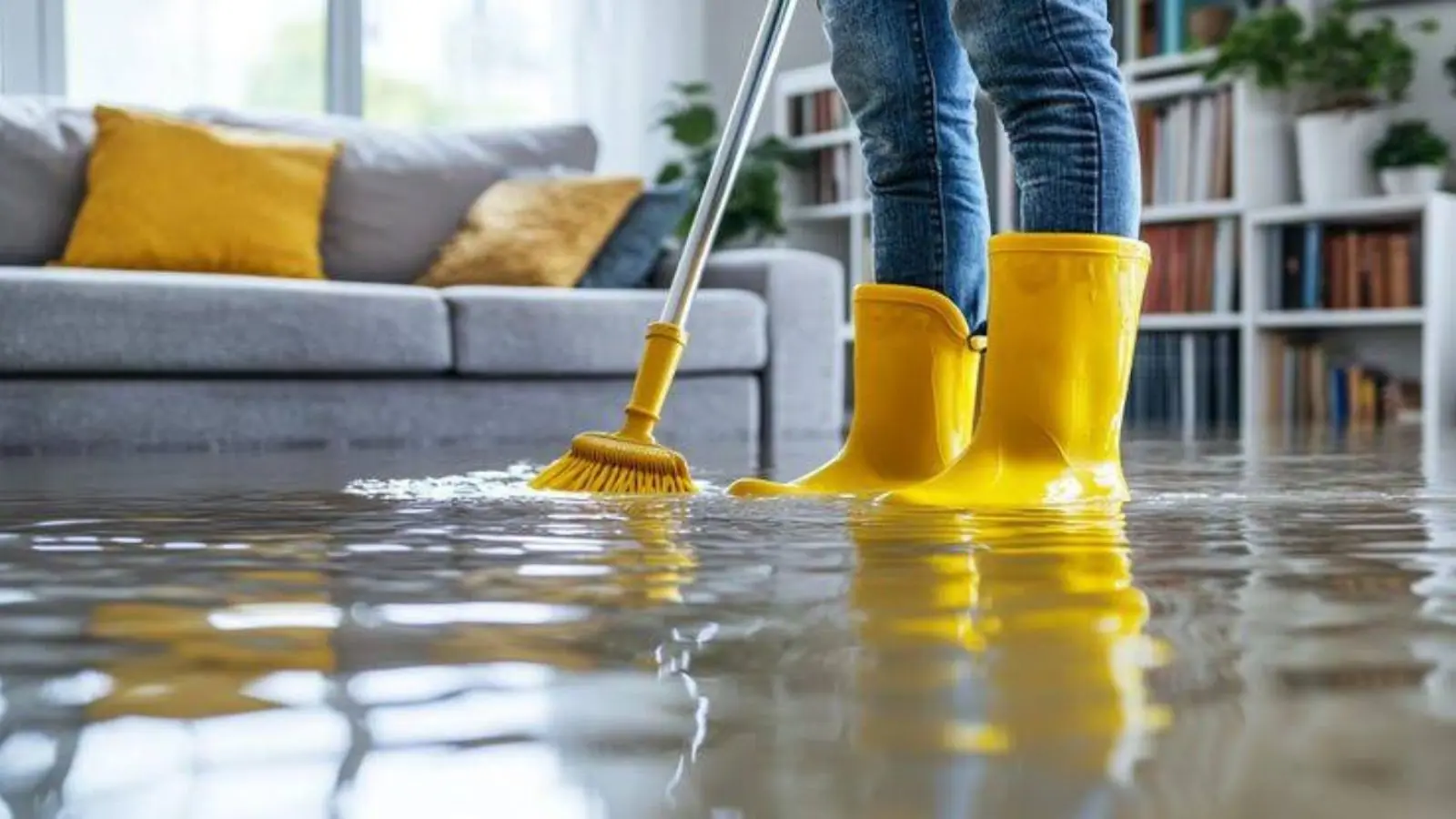
Once the source is stopped, water damage cleanup in Coachella begins, and the first 48 hours decide how much can be saved. Our 24/7 line is open now. While you wait, keep everyone out of wet or contaminated areas, lift furniture and boxes off wet floors, photograph the damage for your records, and set aside anything soaked that may have come from a drain or toilet. Cleanup means removing water, debris and ruined materials, then sanitizing and deodorizing what stays.
If water is still coming in or standing deep, start with emergency water removal. If the mess is gone but the structure is wet, drying belongs to water mitigation. This page is about everything in between: what gets hauled out, what gets cleaned and how the house is left.
When the mess is spreading or smells wrong, treat it as urgent
Wet material does not wait. Carpet pad soaks up water like a sponge, drywall paper starts to bubble, and dirt or sewage residue dries into a film that is harder to remove later. Items that sat in contaminated water are usually discarded, so the sooner they are sorted, the fewer other things they touch.
We take emergency cleanup calls at night and on weekends and offer same-day response when available. We do not promise an arrival window, but we will tell you what to set aside and what to leave alone until a crew has looked at it.
Safety first with contaminated water
Water from a toilet, a sewer line, a flooded yard or a drain is not safe to handle barehanded. Keep children and pets out, wear waterproof gloves and boots if you must enter, and do not run a household vacuum on wet floors.
If water is near outlets or the panel, stay out and call 911 or the utility before you call us. If a sewer overflow comes from the city main rather than your own plumbing, the City of Coachella Utilities Department lists a separate sewer standby line on its website.
What cleanup removes and what it can save
| Material | Clean water | Gray or black water |
|---|---|---|
| Carpet | Often dried in place | Usually removed and discarded |
| Carpet pad | Often replaced even after clean water | Removed and discarded |
| Drywall and insulation | Dried if still firm, removed if soft or stained | Removed to clean framing |
| Hardwood and laminate | May be dried, cupping is monitored | Often removed |
| Hard surfaces and tile | Cleaned and sanitized | Cleaned and sanitized or replaced if porous grout stays contaminated |
| Upholstery and mattresses | Case by case | Usually discarded |
Water categories come from the ANSI/IICRC S500 standard, which sorts water into clean, gray and black. Ask any company you hire whether its crews work to that standard, and ask how it decided which category your water fell into.
How cleanup works, step by step
Walk-through
Identify the water category, the materials hit and what is unsafe to touch.
Remove water and debris
Extract what is left, then pull ruined carpet, pad and wet drywall.
Clean and sanitize
Detail-clean surfaces and treat them with antimicrobial products suited to the category.
Deodorize and check
Remove odor sources, run air scrubbers and confirm with a final walk-through.
Debris removal is part of the scope, and it is written in before work starts so you know what is leaving the house. Cleanup crews use moisture meters during the walk-through, because a clean surface can still sit over a wet layer that belongs in the drying phase.
Odor: remove the source, do not mask it
A musty or sour smell after water damage almost always comes from wet material left in place, such as pad, insulation or the bottom of a wall. Sprays can cover the smell for a day but the source keeps going. We remove the source first, clean the surfaces, and use HEPA air scrubbers and deodorizing treatments only after that.
If a smell returns after cleanup, tell us. It can mean there is still moisture in a cavity, and that is a question for a moisture reading, not for another spray.
Wet belongings and contents
Photograph everything before you move it, then separate hard, nonporous items such as glass, metal and plastic from porous ones such as cardboard, soft furniture and paper. Hard items can usually be cleaned and sanitized. Porous items that touched dirty water are usually discarded, and your photos are the record your insurer will want.
Cleanup after storms in the Coachella Valley
During Hurricane Hilary in August 2023, NASA reported streets in nearby Palm Springs running with mud. Mud carried indoors is gritty, holds contamination and ruins flooring if it dries in place, so scraping and removal come before any wet vacuuming.
After remnants of Tropical Storm Rachel in October 2026, North Shore streets near Mecca were left buried in mud, according to KESQ. If your home is in an area that saw runoff, tell us how deep and how dirty the water was, because storm runoff is treated as contaminated until proven otherwise.
Many Coachella homes are on slabs and newer, with thousands built since 2000, so cleanup tends to focus on flooring, wall bottoms and cabinets rather than a basement. About 38 percent of occupied homes here are rentals, so renters should notify the landlord in writing and photograph conditions before anything is removed.
What affects the scope and price of cleanup
| Factor | Why it changes the job |
|---|---|
| Water category | Gray and black water need more removal and more careful sanitizing. |
| Affected area | More square footage means more labor, debris and hauling. |
| Materials involved | Porous items such as pad, drywall and insulation are removed more often than hard surfaces. |
| Drying days and equipment | Cleanup often runs alongside drying, which adds equipment and monitoring days. |
| Rebuild scope after cleanup | Removed materials are replaced in a separate repair phase. |
Sudden and accidental water damage is often covered by homeowners policies, while a slow leak or neglect often is not. The California Department of Insurance says homeowners policies typically exclude flood and mudslide losses, so storm runoff and mud cleanup may need separate flood coverage. Check your policy or ask your insurer, and keep photos and receipts.
Want your real number for cleanup? Call and describe what got wet, and we will explain the scope and price before work starts.
☎ Call (760) 769-1159Cleanup, mitigation or repair?
| Stage | Service |
|---|---|
| Water is still flowing or standing | Emergency water removal |
| Structure is wet and needs equipment drying | Water mitigation |
| Debris, odor and contaminated materials remain | Water damage cleanup, covered here |
| Surfaces are dry and need rebuilding | Water damage repair |
Rebuilding may need permits. The City of Coachella Building Division handles permits for repair and remodel work, with Monday to Thursday hours and Fridays closed, so plan permit visits around that. Ask your contractor which work needs a permit.
Water Damage Cleanup Questions
Do you handle water damage cleanup emergencies at night or on weekends in Coachella?
Yes. The line is answered 24 hours a day, and we offer same-day response when available. We do not promise an exact arrival time. When you call, we will tell you what to move, what to photograph and what to leave in place until a crew has seen it.
Can I clean up water damage myself?
Small clean-water spills on hard floors, yes. Anything involving a toilet, sewer, drain, flood or mud, or any wet carpet and drywall, is better left to a crew, because hidden moisture and contamination are easy to miss and mistakes cost more later.
What is the difference between cleanup and mitigation?
Cleanup removes water, debris and ruined materials and sanitizes and deodorizes what stays. Mitigation focuses on drying the structure with equipment and moisture readings. Many jobs need both, and they are written as separate parts of the scope.
How do I know if the water is gray or black?
Look at the source. Water from a toilet bowl with waste, a sewer line, a drain or a flooded yard is not clean. Gray water comes from sources like washing machines and dishwashers, and black water carries serious contamination. A technician will classify it on site against the S500 water categories.
What should I photograph before cleanup starts?
Take wide shots of each room, close shots of damaged flooring, walls and ceilings, and photos of damaged belongings. Include a date if you can. Photos plus moisture readings give your insurer a clear record.
Do you remove the debris?
Yes. Removal of ruined materials is part of the scope, and it is written into the scope before work starts so you know what is leaving the house.
Wet materials get worse by the hour. Call and tell us what the water touched.
☎ Call (760) 769-1159