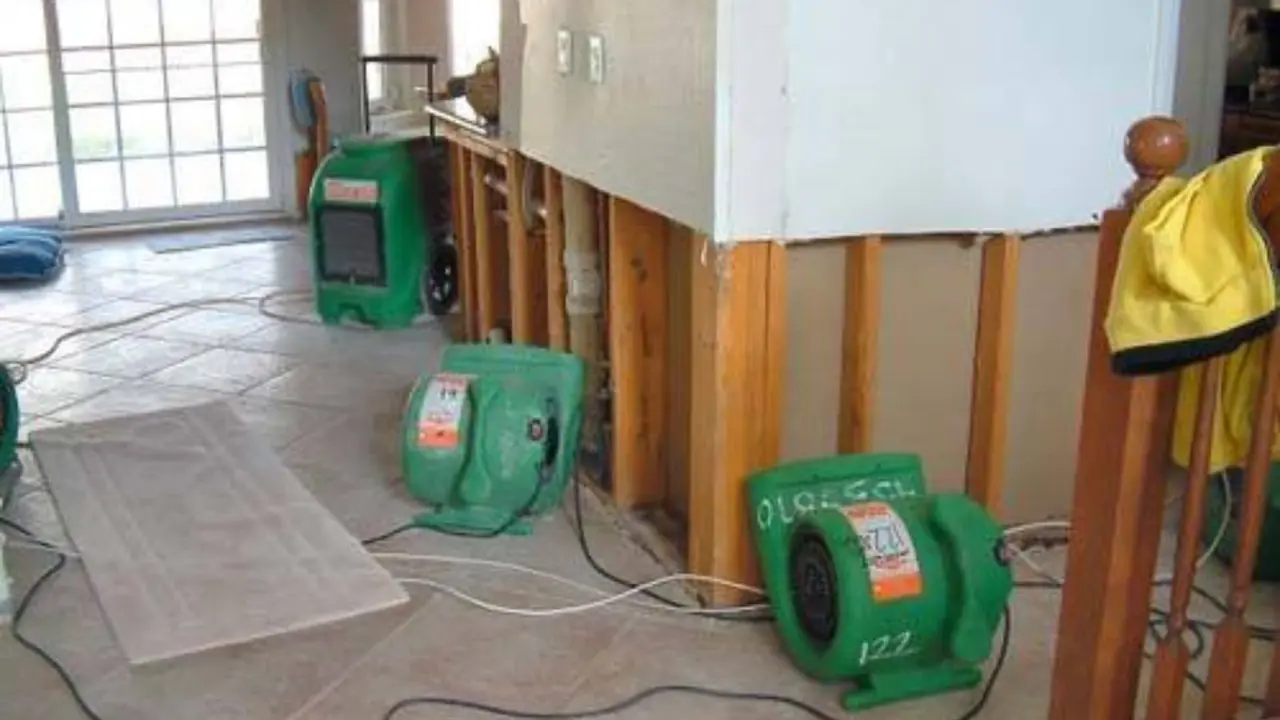
The scary part of a wall leak is that it hides. A pinhole in a supply line spits water into the cavity, the drywall soaks it up, and the paint on the surface stays smooth until the damage is well along. By the time a stain shows, the framing, insulation and the back of the board may have been wet for a while.
This guide covers the clues that point to wet walls, the tools used to confirm it, and what repair looks like once the cavity is opened. It is written for Coachella homeowners and renters who have noticed something odd and want to know what it means.
Clues that a wall is wet inside
Look for changes that do not match the weather outside. Baseboards that swell or lift, paint that bubbles or peels in one patch, and a floor that feels slightly soft next to a wall are all common. A musty smell that comes and goes is another sign, particularly in a closet or behind a toilet.
- A stain that darkens after the dishwasher, washer or shower runs.
- Drywall that feels cool, damp or crumbly when pressed with a finger.
- Texture that has loosened or cracked in a straight line below a fixture.
- A water meter that keeps moving when every fixture is off.
- Warm spots or a hissing sound near a hot water line.
None of these proves a leak by itself, but two or three together deserve a closer look. If you can safely shut off the water at the main valve, do it and see whether the meter stops. That single test separates a plumbing leak from other causes.
How the water gets there
Inside walls the usual suspects are supply lines, drain connections, shower valves, ice maker lines and the condensate line from an air conditioner. Outside, stucco cracks and failed window seals can let rain track into the cavity. Roof leaks often run down the framing and appear several feet from where the water entered.
That distance is why guessing at the source wastes time. A tool-based search is faster and usually cheaper than opening walls at random.
Finding it without opening everything
Moisture meters are the first tool. A pin meter reads moisture between two probes pushed into a material, while a pinless meter scans the surface and the layer beneath it. Readings are compared against a dry reference reading taken elsewhere in the same home.
A thermal imaging camera adds a second view. Wet materials hold and lose heat differently from dry ones, so a damp patch often shows as a cooler zone on the screen. The image does not measure moisture, so the camera points and the meter confirms.
| Tool | What it tells you | Limit to know |
|---|---|---|
| Pinless moisture meter | Scans large areas fast for high moisture | Can be thrown off by metal or dense materials |
| Pin moisture meter | Gives a reading at a specific spot in drywall or wood | Leaves tiny holes and reads only where probed |
| Thermal imaging camera | Shows cooler or warmer patterns that suggest moisture | Shows temperature, so it must be confirmed |
| Water meter test | Reveals a running leak on the supply side | Does not find drain or rain leaks |
Seeing a stain or smelling mustiness near a wall? The 24/7 line can start a moisture check.
☎ Call (760) 769-1159What opening the wall involves
Once a wet area is mapped, a technician cuts out the smallest section that reaches dry material. That usually means removing the wet drywall and baseboard, and insulation if it is soaked. Wet board loses strength and can hold moisture long after the leak stops, so it generally cannot be dried in place.
The exposed framing is dried with air movers and dehumidifiers, and readings are taken each day until they match the dry reference. Our water mitigation page explains how that drying is planned and logged.
Repair after drying
When the readings are back to normal, new board is hung, taped and textured to match, then primed and painted. Stain-blocking primer matters on any surface that was discolored. Matching a stucco-style or knockdown texture takes practice, which is a good reason to ask the repair crew how they will blend it.
If a plumbing line was the source, it is repaired before closing the wall. Permits and inspections for plumbing, electrical and some other repair work are handled through the building division where the home sits.
What the published standard expects
ANSI/IICRC S500 is the published standard for water damage restoration, and it expects hidden moisture to be located with meters and imaging rather than guessed.
Safety Checklist Before a Wall Is Opened
- Shut off the water supply to the suspected source first.
- Keep outlets on that wall unpowered unless a qualified person says otherwise.
- Photograph stains, bubbling paint and soft spots with a date before anything moves.
- Do not cut into the wall near wiring or pipes you cannot identify.
- Call 911 or the utility if you see sparks, smell gas or find water at a panel.
Coachella Local Note: Rain, Rooftops and Swamp Coolers
Coachella gets only about 5 inches of precipitation a year across roughly 14 days, so a damp wall in a dry month usually points to plumbing, an air conditioner line or a roof leak rather than weather. Start with the fixtures and the equipment on the roof.
A local roofer interviewed after the October 2026 Rachel remnants described flat roofs that ponded water, tile roofs with slipped tiles, and swamp coolers dripping onto roofing. Each of these can send water down inside a wall, so after a storm check wall bases and ceilings near exterior walls.
For permits on plumbing, electrical or roofing repair inside city limits, the City of Coachella Building Division on Enterprise Way handles plan check and inspection. Its office keeps Monday to Thursday hours and is closed Fridays, so plan around that if your repair needs a permit.
Hidden leaks in the east valley
Thermal homes sit in the same desert climate and share the same hidden-leak patterns, and our Thermal water damage page lays out how we approach homes there. In Mecca, where farm and canal water shape the area, the same moisture clues apply, as described on our Mecca page. If you want the wall repair side, the water damage repair page walks through rebuilding.
Do not seal it in
Painting over a stain or adding a new coat of texture traps moisture and makes the problem harder to find. Resist covering a suspicious area until it has been measured. A quick reading costs less than rebuilding a wall twice.
Questions About Hidden Wall Moisture
How do I know whether the wall is still wet?
A moisture meter is the reliable answer, because a wall can feel dry on the surface while the board behind it is damp. Readings are compared with a dry area in the same home, and they are repeated over a few days to see whether the numbers are falling.
Can wet drywall dry out on its own?
Sometimes light dampness dries, but soaked or sagging board generally has to be removed. It can stay damp inside long after the surface feels dry, and insulation in the cavity holds water too.
Does thermal imaging find leaks by itself?
It points to suspect areas by showing temperature patterns, but it does not measure moisture. A meter reading confirms what the camera suggests, so both are used together.
How much of the wall has to be cut out?
As little as will reach dry material in every direction. Technicians map the wet zone first, then cut slightly beyond it, so the opening depends on how far the water traveled.
After a storm, where should a Coachella homeowner look for wall moisture first?
Check the bases of exterior walls, the corners where walls meet ceilings, and any wall under a flat roof or an evaporative cooler. Roofers in the valley reported ponded roofs and cooler drips after the October 2026 storm remnants, and those leaks often show up as wall stains.
Suspect a wet wall? Call the 24/7 line to arrange a moisture check.
☎ Call (760) 769-1159